
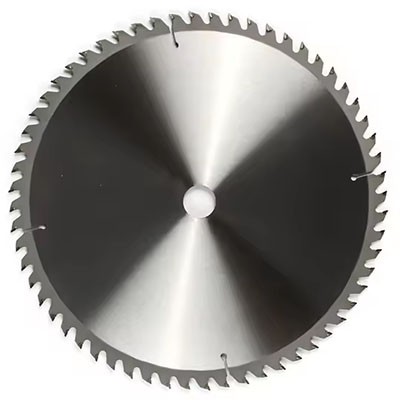
For distributors, manufacturers, and large-scale woodworking enterprises, sourcing wholesale saw blades for wood cutting has become a strategic priority. With the global saw blades market projected to reach USD 26.4 billion by 2035, understanding the current market dynamics, technological innovations, and regional demands is essential for making profitable wholesale investments.
Market Growth Driven by Construction and Custom Furniture
The primary engine behind the wholesale saw blade market is the booming construction and furniture manufacturing sectors. As urbanization accelerates globally, particularly in emerging economies, the demand for residential and commercial construction materials has skyrocketed. Furthermore, there is a distinct consumer shift toward custom-made, bespoke furniture. This trend requires precision cutting tools capable of executing intricate designs without compromising material integrity. Wholesalers are seeing increased B2B inquiries for specialized blades that cater to both high-volume production lines and artisanal woodworking shops.
Sustainability as a Core Sourcing Criterion
Environmental consciousness has transitioned from a niche preference to a mainstream requirement. Approximately 75% of consumers now prefer products that prioritize sustainability, a trend that heavily influences B2B procurement. Wholesale buyers are actively seeking manufacturers who utilize eco-friendly practices, such as producing blades from recyclable high-speed steel (HSS) and implementing clean manufacturing processes to minimize emissions. Additionally, blades designed to minimize kerf loss (the amount of wood wasted during cutting) are highly sought after, as they help end-users meet strict environmental certifications and reduce material costs.
Regional Dynamics: What Wholesale Buyers Need to Know
The global market is not monolithic, and successful wholesalers tailor their inventory to regional demands.
Asia-Pacific remains the dominant growth hotspot, driven by massive infrastructure projects and booming furniture production in countries like China, India, and Vietnam. Buyers here often prioritize cost-effective, high-throughput blades for mass production.
North America and Western Europe represent mature markets where buyers are willing to pay a premium for high-precision, eco-friendly, and smart cutting tools. Strict environmental regulations in Europe, for example, are pushing demand toward recyclable hybrid composites and ultra-efficient blades.
Contact:Kevin
Phone:+86 18362001166
E-mail:yabon_kevin@163.com
Add:No. 253, Dongfang Industrial Park, Houxiang, Danbei Town, Danyang City, Jiangsu Province, China