
In the industrial cutting and construction sectors, diamond blades are indispensable tools for slicing through concrete, stone, asphalt, and masonry. As demand for high performance cutting solutions grows globally, wholesale buyers ranging from distributors to large contractors are increasingly focused on understanding what drives pricing in bulk purchases. While “low cost” may seem attractive at first glance, savvy purchasers recognize that diamond blade pricing reflects a complex interplay of material science, manufacturing precision, and market dynamics.
1. Diamond Quality and Concentration
The single most significant cost driver is the quality and concentration of synthetic diamonds embedded in the blade’s segments. Higher grade diamonds with consistent particle size and superior toughness enable faster, smoother cuts and longer blade life but they come at a premium. Blades marketed at unusually low prices often use recycled or lower spec diamonds, which can lead to premature wear or inconsistent performance.
2. Bond Hardness and Matrix Composition
The metal bond that holds the diamonds must be engineered to match the material being cut. Harder bonds are used for soft, abrasive materials like asphalt, while softer bonds are needed for hard, non abrasive surfaces like granite. Customizing the bond formula requires advanced metallurgical expertise and precise sintering control factors that influence both performance and cost.
3. Blade Design and Segment Configuration
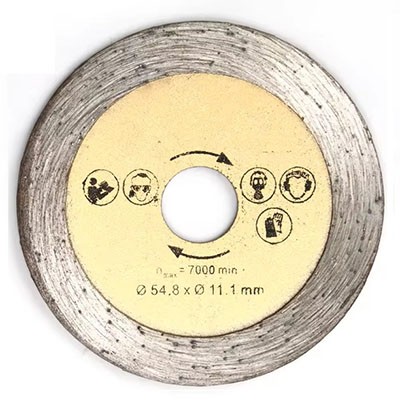
Segment height, width, and layout (e.g., segmented, turbo, or continuous rim) affect cutting speed, cooling efficiency, and durability. Turbo or serrated designs, for instance, enhance airflow and debris removal but require more complex tooling during production. Thicker steel cores and reinforced segments also add material costs but improve stability during high RPM operations.
4. Manufacturing Technology and Quality Control
Blades produced using automated laser welding, precision tensioning, and rigorous quality assurance protocols tend to command higher wholesale prices but they deliver consistent runout, reduced vibration, and fewer failures in the field. In contrast, inconsistently brazed or poorly balanced blades may cause equipment damage or safety hazards, offsetting any initial savings.
5. Order Volume and Customization
While larger order volumes typically reduce per unit costs, highly customized specifications such as non standard diameters, arbor sizes, or specialized segment patterns can increase setup and tooling expenses. Buyers should weigh the value of customization against potential price premiums.
6. Raw Material and Logistics Costs
Fluctuations in steel, cobalt, and tungsten carbide markets directly impact production costs. Additionally, international shipping, tariffs, and packaging requirements can significantly affect landed prices, especially for cross-border wholesale transactions.
Ultimately, the lowest priced diamond blade isn’t always the most economical choice. Buyers who prioritize total cost of ownership factoring in cutting speed, lifespan, labor efficiency, and machine wear often find greater long-term value in blades that balance performance, reliability, and fair pricing. As the industry shifts toward sustainability and productivity, understanding these pricing factors empowers wholesalers to make smarter, more strategic procurement decisions.
Contact:Kevin
Phone:+86 18362001166
E-mail:yabon_kevin@163.com
Add:No. 253, Dongfang Industrial Park, Houxiang, Danbei Town, Danyang City, Jiangsu Province, China