
In the competitive landscape of industrial cutting tools, the procurement of diamond blades is far more than a simple transactional exchange; it is a complex, multi-stage strategic operation that directly impacts production efficiency and safety. For businesses operating in construction, stone processing, or semiconductor manufacturing, establishing a robust factory procurement process is essential. This process requires a meticulous blend of technical evaluation, supply chain auditing, and rigorous quality assurance to ensure that every blade procured meets exacting operational standards.
Defining Technical Specifications and Application Requirements
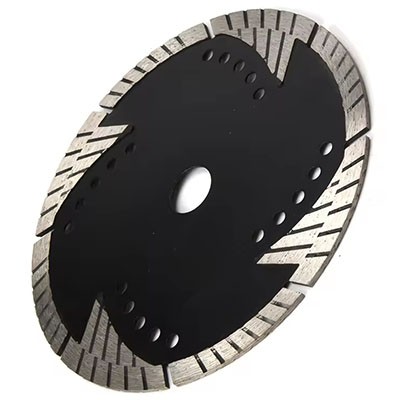
The foundation of any successful procurement process lies in the precise definition of technical requirements. Diamond blades are highly specialized tools, and their performance is dictated by factors such as diamond grit concentration, bond hardness, and segment configuration. Procurement teams must first conduct a thorough assessment of the materials to be cut, whether it is reinforced concrete, granite, or silicon wafers. Understanding the specific cutting environment, including whether wet or dry cutting methods will be employed, allows buyers to create detailed technical specifications. This initial clarity prevents costly mismatches between tool capabilities and application demands, ensuring optimal cutting speeds and extended tool life.
Comprehensive Factory Audits and Supply Chain Transparency
Once specifications are defined, the next critical phase is evaluating potential manufacturing partners. A reliable procurement process involves deep-dive diamond blade factory audits to assess production capabilities and supply chain transparency. Buyers must scrutinize the manufacturer’s upstream sourcing, particularly the quality of synthetic diamonds and steel cores, as these raw materials dictate the blade's structural integrity. Furthermore, evaluating the midstream manufacturing processes, such as advanced sintering, laser welding, or vacuum brazing technologies, provides insight into the factory’s ability to maintain consistent quality. A transparent supply chain ensures that production timelines are realistic and that the manufacturer can scale output to meet fluctuating market demands.
Implementing Rigorous Quality Assurance and Compliance Checks
Quality assurance serves as the gatekeeper in the diamond blade procurement process. Before finalizing any bulk order, procurement professionals must enforce strict testing protocols. This includes verifying international safety certifications and conducting sample tests to measure critical parameters like segment weld integrity, rotational safety limits, and cutting precision. For industries with high-stakes applications, such as semiconductor wafer dicing, even microscopic deviations can lead to significant material loss. Therefore, a comprehensive QA phase, often involving third-party inspections or factory-accepted tests, is non-negotiable to mitigate the risk of equipment failure and ensure compliance with global safety standards.
Establishing Long-Term Partnerships and Feedback Loops
The final stage of an effective procurement process extends beyond the initial purchase; it focuses on building sustainable, long-term partnerships. The dynamic nature of industrial manufacturing requires continuous improvement, making the feedback loop between end-users and factories vital. Procurement strategies should include mechanisms for sharing performance data with manufacturers, allowing for iterative improvements in bond formulations and blade designs. By fostering collaborative relationships, businesses can secure better pricing structures, prioritize access to inventory during peak seasons, and co-develop customized solutions that drive mutual growth and operational excellence in the industrial cutting sector.
Contact:Kevin
Phone:+86 18362001166
E-mail:yabon_kevin@163.com
Add:No. 253, Dongfang Industrial Park, Houxiang, Danbei Town, Danyang City, Jiangsu Province, China