
Diamond Blade Factory Output Rises Amid Global Demand
Global production at diamond blade factories is ramping up in 2025 as infrastructure projects, urban redevelopment, and renewable energy installations drive unprecedented demand for high-performance cutting tools. From concrete and asphalt to stone, ceramics, and composite materials, the need for precision, durability, and efficiency has positioned diamond blades as indispensable assets across construction, mining, and fabrication sectors.
Why Diamond Blades Are in High Demand
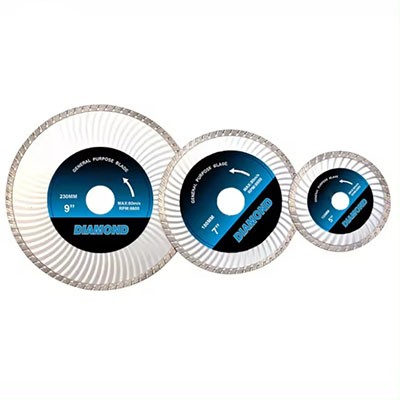
Diamond blades, engineered with synthetic diamond particles bonded to steel cores, offer superior cutting speed, extended service life, and cleaner cuts compared to traditional abrasive alternatives. As building codes tighten and material complexity increases (e.g., reinforced concrete, engineered stone, and fiber-reinforced polymers), contractors are turning to professional-grade diamond blades to reduce downtime and improve job site safety.
“Performance under pressure is non-negotiable on modern job sites,” says a senior analyst at Global Tool Insights. “A reliable diamond blade factory doesn’t just manufacture tools, it delivers productivity.”
Technological Upgrades Transform Manufacturing
Leading diamond blade factories are investing heavily in automation, laser welding, and AI-assisted quality control to ensure consistency across millions of units. Key innovations include:
Segmented and turbo-rim designs for faster cooling and debris removal
Laser-welded segments that withstand high-torque applications
Eco-friendly sintering processes that cut energy use by up to 25%
Custom formulations tailored for specific materials (e.g., green concrete, granite, or porcelain tile)
These advancements allow manufacturers to serve niche markets, from road maintenance crews using large-diameter blades to tile installers requiring ultra-thin, vibration-free cutting tools.
Sustainability and Circular Practices Gain Ground
With growing scrutiny on industrial waste, many diamond blade factories are adopting closed-loop recycling systems to recover metal cores and unused diamond grit. Some are also introducing “re-tip” services, where worn blades are refurbished with new segments, extending product life and reducing raw material consumption.
This shift aligns with global ESG initiatives and helps end-users lower their carbon footprint without compromising performance.
Outlook: Strong Growth Through 2030
Analysts project steady expansion in the diamond blade market, with Asia-Pacific and North America leading regional demand. Urbanization, post-pandemic infrastructure bills, and the rise of modular construction are key tailwinds. For procurement managers and distributors, partnering with agile, quality-focused diamond blade factories will be critical to securing reliable supply chains in an increasingly competitive landscape.
Contact:Kevin
Phone:+86 18362001166
E-mail:yabon_kevin@163.com
Add:No. 253, Dongfang Industrial Park, Houxiang, Danbei Town, Danyang City, Jiangsu Province, China