
In the heavy construction and infrastructure sectors, the efficiency of a project is often dictated by the performance of its consumables. Among these, the concrete cutting disc is a critical tool that directly influences workflow speed, operational safety, and overall project costs. However, selecting the right partner goes far beyond comparing unit prices. Identifying a reliable concrete cutting disc supplier requires a deep understanding of manufacturing capabilities, material science, and supply chain resilience. For procurement managers and industrial buyers, establishing a partnership with a manufacturer that prioritizes engineering integrity is essential for maintaining a competitive edge in demanding environments.
The Engineering Behind Laser Welded Technology
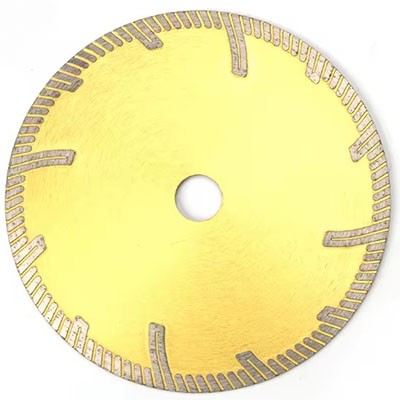
A primary differentiator among suppliers is the bonding technology used to attach diamond segments to the steel core. High performance suppliers have transitioned from traditional sintering to advanced laser welding techniques. This process creates a metallurgical bond that is significantly stronger than the mechanical interlocking found in older manufacturing methods. For industrial applications involving reinforced concrete, asphalt, or hard stone, this distinction is vital. A laser welded disc can withstand higher rotational speeds and intense lateral pressure without the risk of segment loss. When evaluating a supplier, buyers should inquire about their specific laser welding parameters and quality control protocols. A supplier that invests in this technology demonstrates a commitment to safety and durability, ensuring that their products can handle the rigorous demands of modern construction sites without catastrophic failure.
Customization of Diamond Matrix Formulas
Not all concrete is created equal; the aggregate hardness, reinforcement density, and curing age vary significantly across different regions and project types. A generic cutting disc often fails to deliver optimal performance because its diamond matrix formula is not tuned to the specific material being cut. A superior supplier offers technical customization rather than a one size fits all catalog. They utilize varying grades of synthetic diamond crystals and adjust the hardness of the metal bond powder to match specific applications. For instance, cutting fresh, abrasive concrete requires a harder bond to hold the diamonds longer, while cutting cured, hard concrete necessitates a softer bond to allow for continuous diamond exposure. A supplier capable of tailoring these formulas ensures that the cutting disc maintains a consistent wear rate, preventing glazing and maximizing the service life of the tool.
Supply Chain Stability and Bulk Procurement Advantages
Large scale infrastructure projects, such as highway expansions, airport runway renovations, or urban demolition, require a uninterrupted flow of consumables. A dependable supplier operates with a robust production capacity and a streamlined logistics network. By engaging in wholesale procurement strategies, contractors can secure consistent batch quality, eliminating the performance variability that often occurs when sourcing small lots from multiple vendors. Furthermore, a direct relationship with a manufacturing focused supplier allows for better inventory planning. Buyers can coordinate delivery schedules with their project milestones, reducing on site storage requirements while ensuring that critical cutting tools are available exactly when needed. This logistical synergy minimizes downtime and protects the project timeline from external supply chain disruptions.
Certification Standards and Quality Assurance
In an industry where equipment failure can lead to severe safety incidents, adherence to international quality standards is non negotiable. A credible supplier will possess comprehensive certifications, such as ISO 9001 for quality management systems, along with product specific testing reports from recognized third party agencies like SGS or MPA. These documents verify that the cutting discs have undergone rigorous testing for rotational strength, impact resistance, and cutting efficiency. During the vetting process, buyers should request these certifications to ensure the supplier’s claims are backed by empirical data. Additionally, suppliers who provide detailed technical data sheets empower engineers to make informed decisions regarding machine compatibility and operational parameters, further enhancing site safety.
Contact:Kevin
Phone:+86 18362001166
E-mail:yabon_kevin@163.com
Add:No. 253, Dongfang Industrial Park, Houxiang, Danbei Town, Danyang City, Jiangsu Province, China